
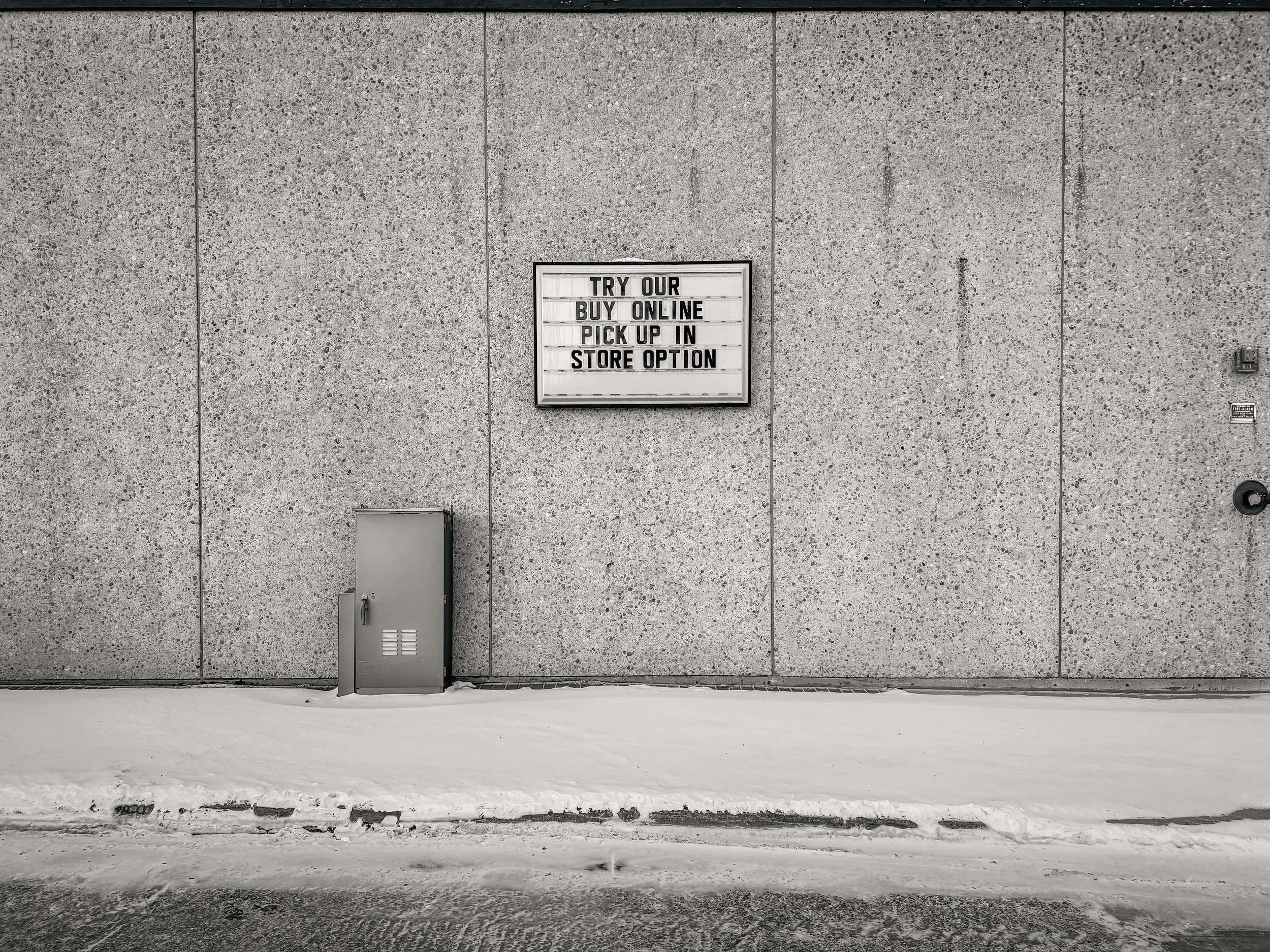
The standard shop format wasn't handed down by physics. It's a convention that settled into a norm, then into an expectation, then into something that feels essential. It isn't.
Read MoreFor any assumption the shop has accepted about what it can and can't do, it's worth pausing to consider what the opposite would reveal about where the shop actually stands.
Read MoreMost of what happens at the service counter is triage, not listening. Real listening requires suspending the categorization reflex long enough to hear what's actually being said.
Read MoreThere are no shortcuts to what actually matters. Not to a mechanic's feel for a problem, not to a customer's trust, not to a reputation worth having.
Read MoreThe person opening their first shop sometimes does something a more experienced operator wouldn't have tried. Not despite their inexperience, but because of it.
Read MoreIt comes when you're not trying, on a ride, half asleep, mid-conversation. The question is whether you're paying attention when it does.
Read MoreJohn Wooden opened every season by teaching his players to put on their socks. The most successful coach in college basketball thought that was the right place to start. He was correct.
Read MoreEvery shop change that ever worked started as a noticing - a question, an inconvenience that wouldn't leave you alone. The mistake is evaluating it too early.
Read MoreAfter the seeds are collected, the right move isn't analysis. It's play — and paying close attention to what lights up when you start moving.
Read MoreThe idea that sounds promising in a meeting and the idea that works in practice are two different things. The gap between them is where most shop improvement gets lost.
Read MoreThe exciting part gives way to something less glamorous, the brick-laying. This is where most shops stall.
Read MoreTo do the work well, you need to avoid rushing. You also need to avoid living with it indefinitely. Most shops err toward one extreme or the other.
Read MoreBike shops can carry the same brands and use the same systems, and yet one has something the other doesn't. What produces that quality is point of view, which is different from having a point.
Read MoreThe improvement process has gone flat, not failed, just stopped moving. What's needed isn't a break. It's a disruption.
Read MoreThere's a version of the project that's actually finished. The fear that keeps the owner returning to it isn't a quality problem, it's the fear of releasing something into the world where it can be judged.
Read MoreThe owner who holds back their best work for a better moment finds that the better moment rarely comes. Abundance thinking changes what you're willing to put out and how much comes back in return.
Read MoreMost shop owners lean one way or the other. Both orientations have real strengths. Both have a blind spot that costs them.
Read MoreUnlimited options don't produce the best work. They produce paralysis. The shop owner who sets deliberate limits for a given project often finds something the wide-open approach couldn't reach.
Read MoreIf the only audience was you, what would you actually make? That question cuts through most of the noise that accumulates around shop decisions.
Read MoreThe shop had a good year. Every external indicator pointed the same direction. And somewhere in the middle of it, the owner started to feel a quiet unease they couldn't name.
Read More