
NEWSLETTER - vol. 3
vol. 3
I spent most of last week on the side of a mountain in California, waiting for Nora to come through. She was running the Western States 100, a hundred miles of rock and dust and hard climbing between Olympic Valley and Auburn. Nora ran. I ran the crew.
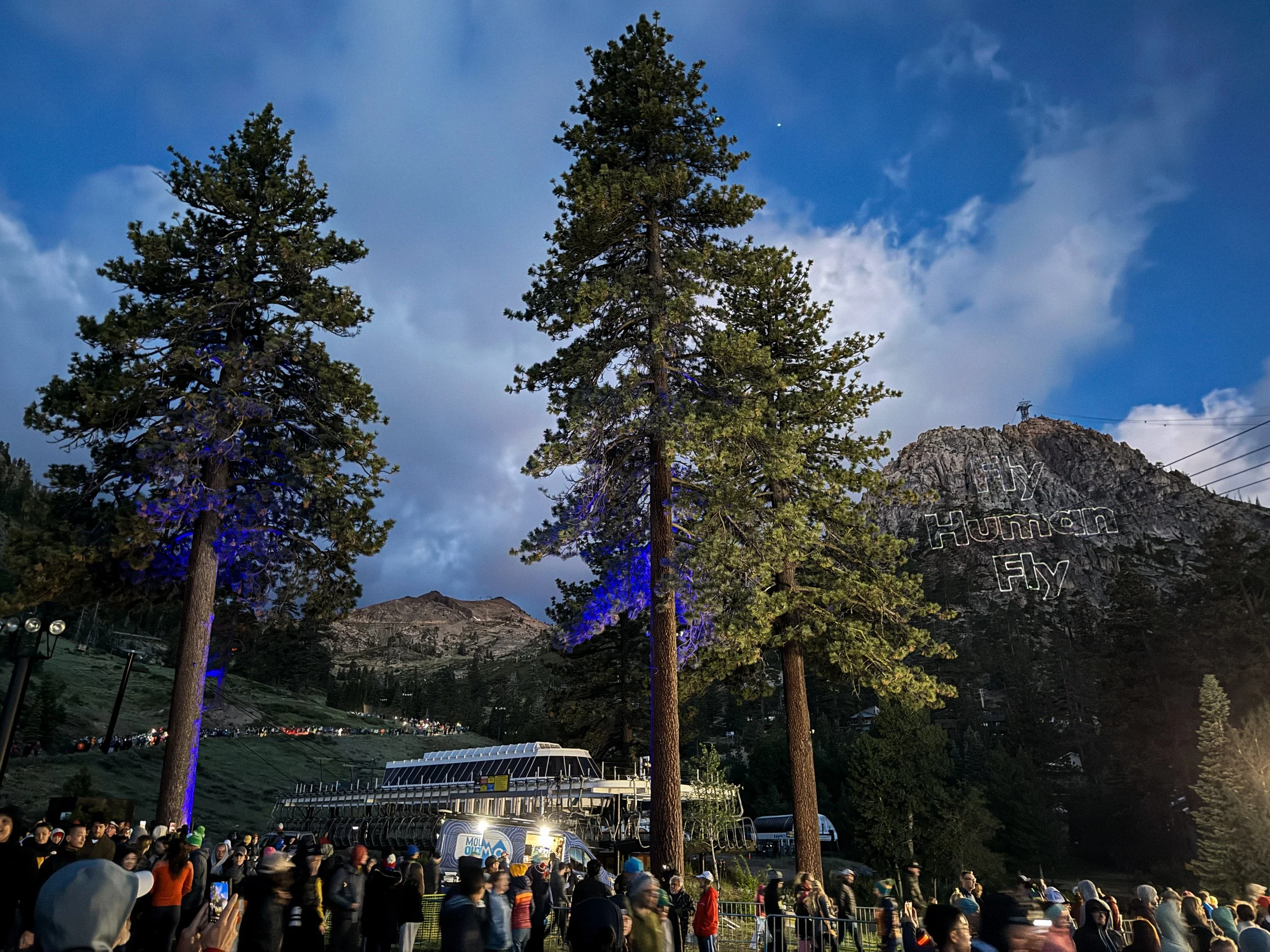
Western States is difficult to get into. Most of the field comes through a lottery, and your odds improve a little each year your name goes in and doesn't come out. Nora put her name in for ten years. Last December it finally came out of the proverbial drum, and that one draw is what carried her to the start line and into the Grand Slam of Ultra Running. She spent a decade hoping for the right to stand at the bottom of the Sierra Nevada, inside the Olympic Village, with a hundred miles in front of her.
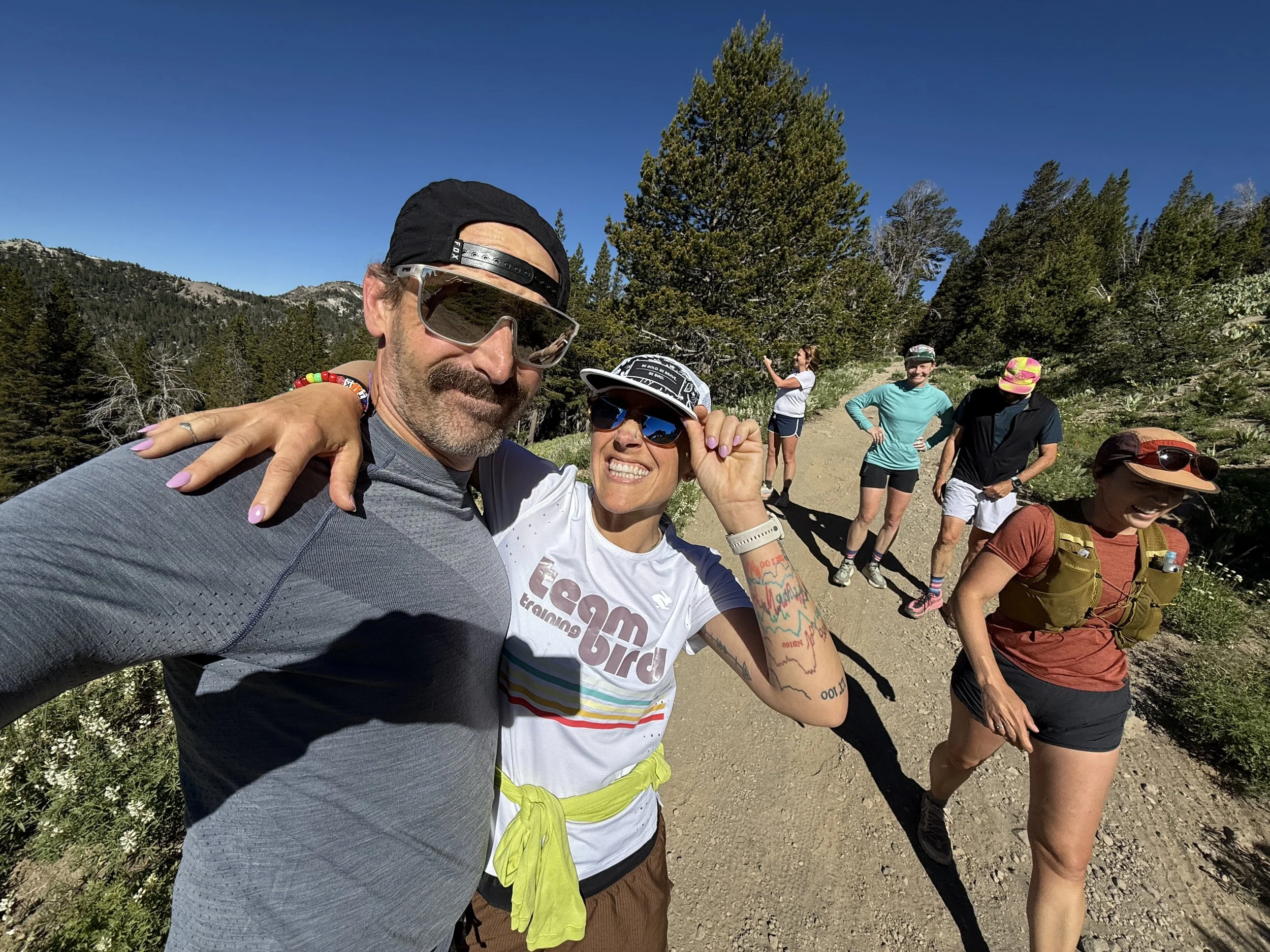
The day before the race I had a piece of that mountain to myself. Two of Nora's friends and I climbed from the start up to Emigrant Gap, cold and wind-scoured at the top, and then I turned and ran the whole way back down alone. I have never had a run like it. Nothing was at stake yet, and no one needed anything from me. It was the last stretch all week where the only hope I was carrying was my own, and there was a strange lightness in how small that was.
That lightness ended at the gun. The course runs through canyon country you cannot follow by road, so the aid stations sit deep and remote, and reaching them was the crew's entire job. Seven of us ran it, Nora's friends and family, three cars leapfrogging each other so someone could sleep while the rest pushed ahead to the next stop. I made every station. For twenty-nine hours my whole purpose was to be in the right remote place at the right moment with the food, the dry socks, the cold drink, the thing she didn't yet know she needed.
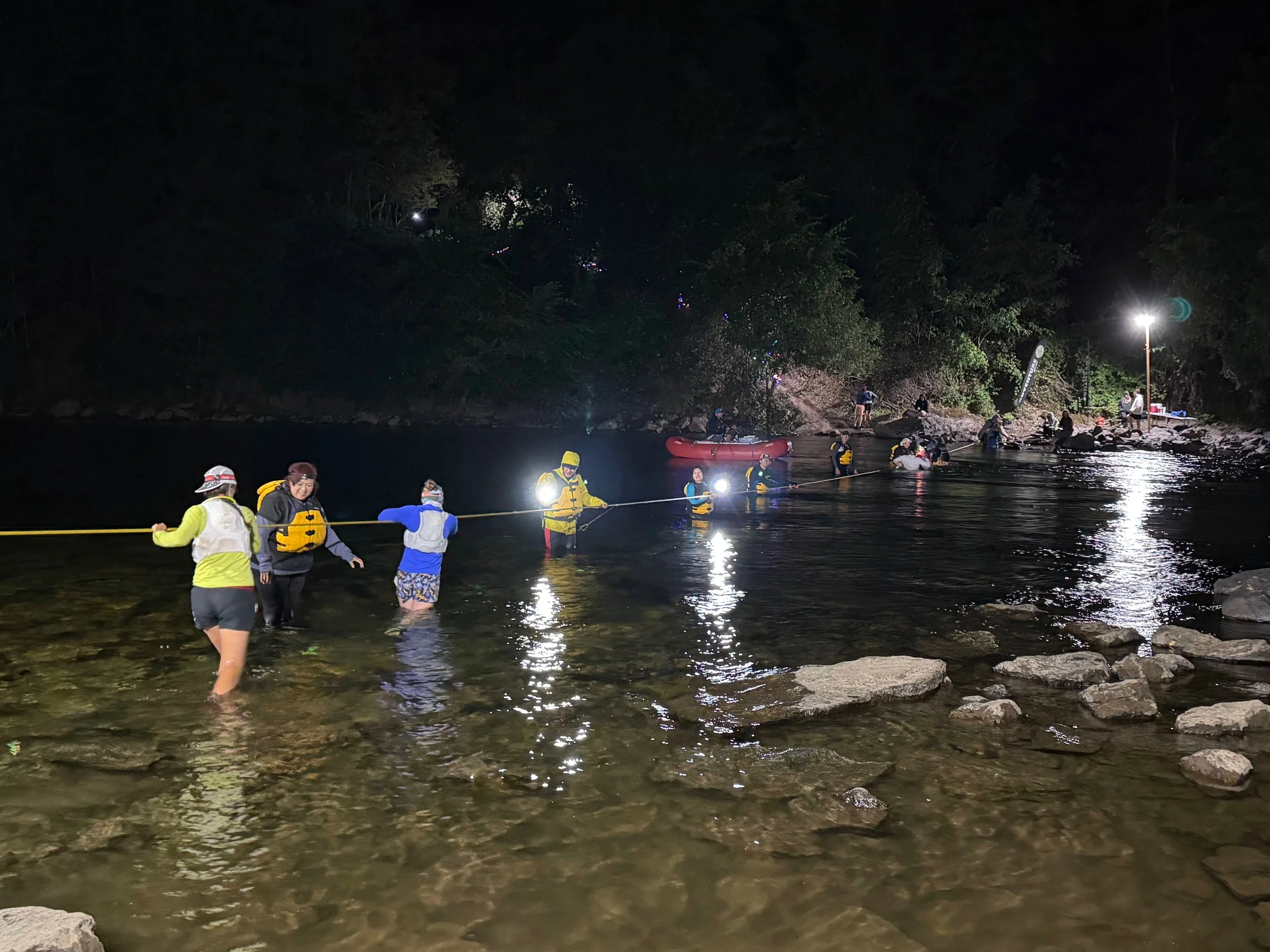
Twenty-nine hours in three cars does things to a group of people. There were shuttle rides and bouts of car sickness, smiles and sneers, friendships made and friendships strained inside the same afternoon/evening/morning (running and crewing events like this blend time like nothing else). Hope is not a clean feeling when you have to hold it that long. Somewhere in the dark of night she crossed the river at Rucky Chucky, cold to the waist, and came out the other side still moving, and so did we, trying to keep food down and get to the next place she would need us.
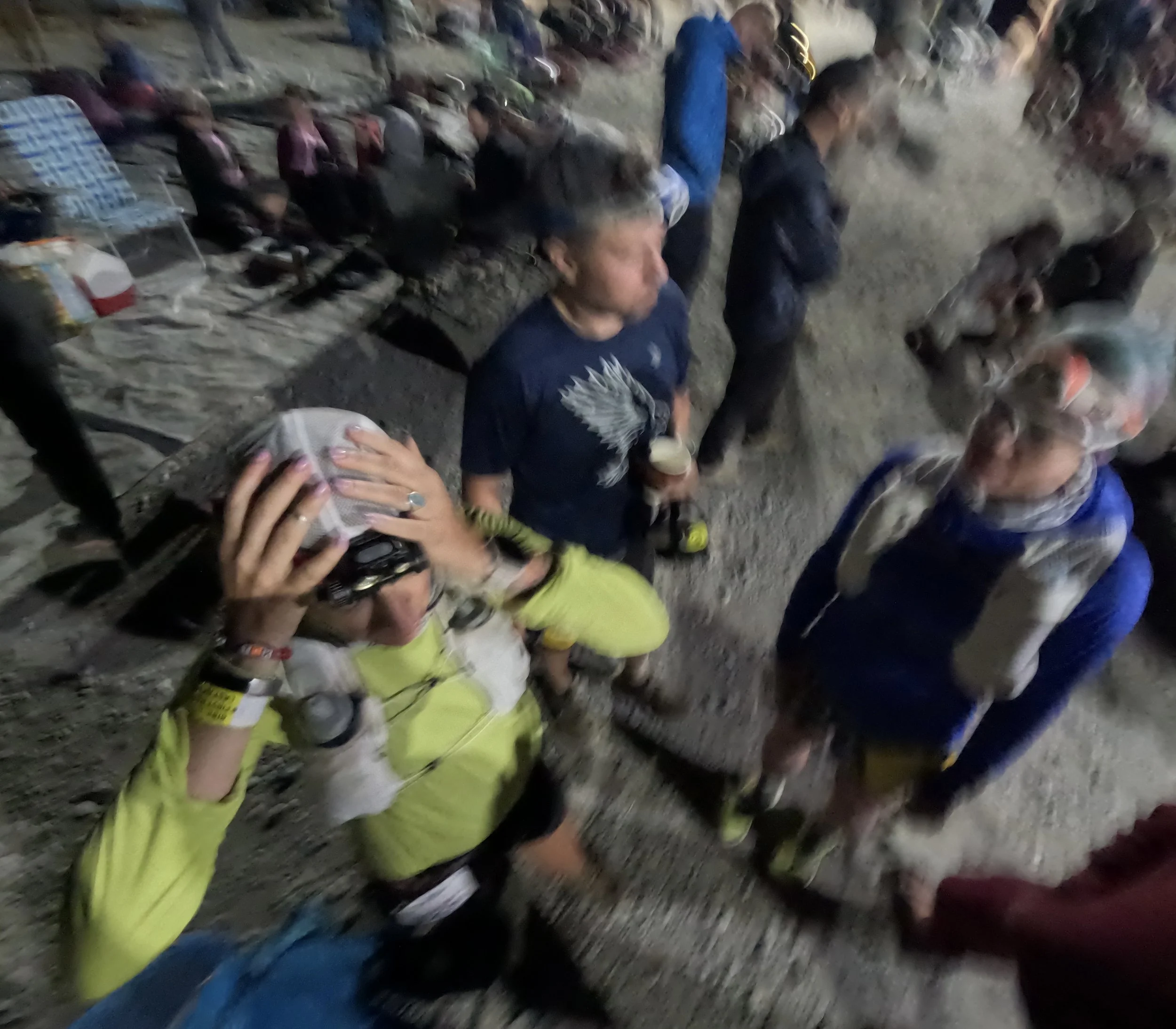
The last mile runs from the last aid station at Robie Point up into Auburn and onto the track at Placer High School, and we ran it with her, all of us, crying and cheering and walking and breaking into a jog. When Nora stepped onto that track the noise that went up was unlike anything I have heard at an ultra. A hundred miles of canyon and night and doubt resolved into one lap around a high school oval in the morning light. For Nora it was the achievement of a lifetime in a summer already full of them. For the rest of us it was some version of the same.
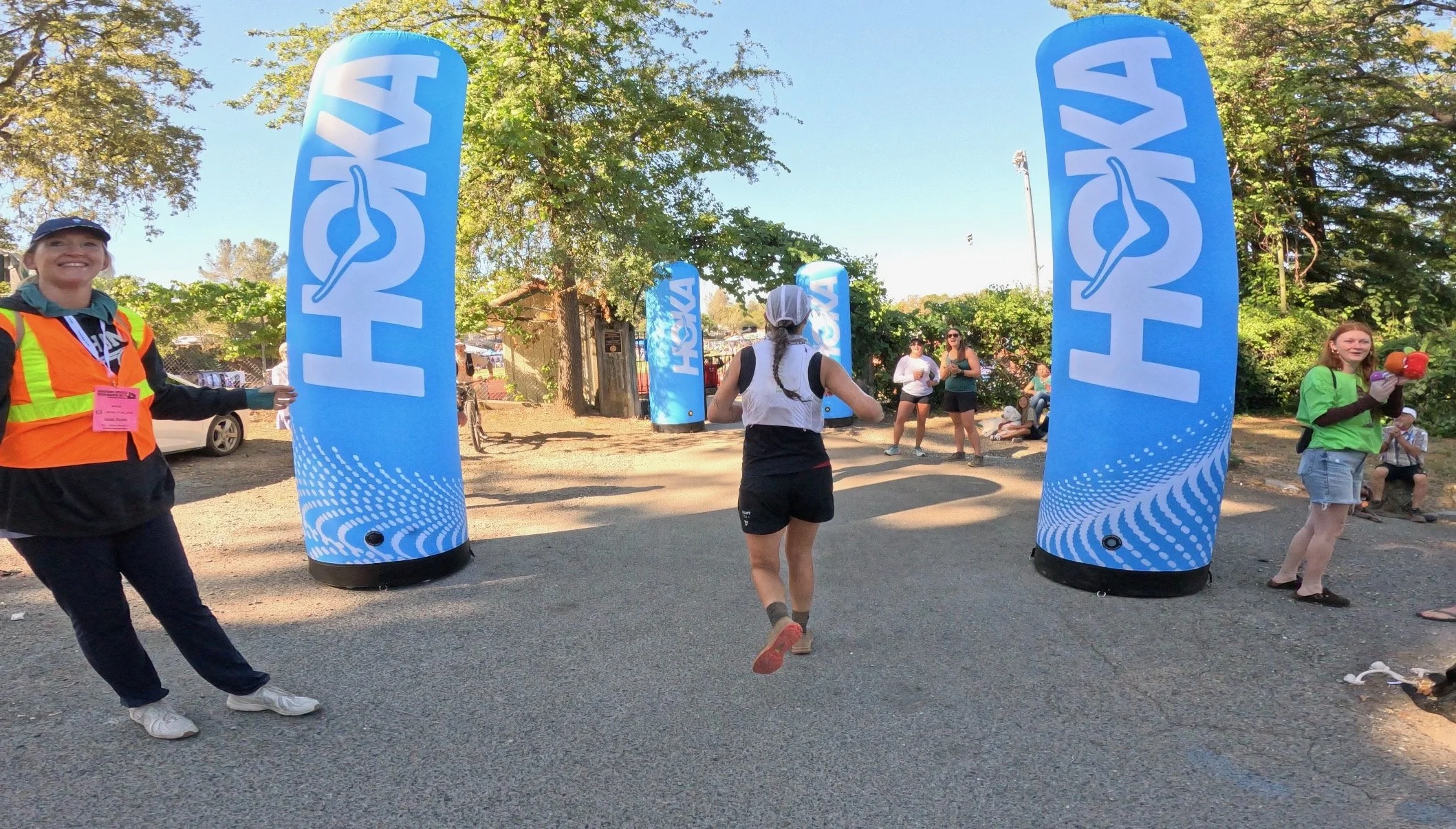
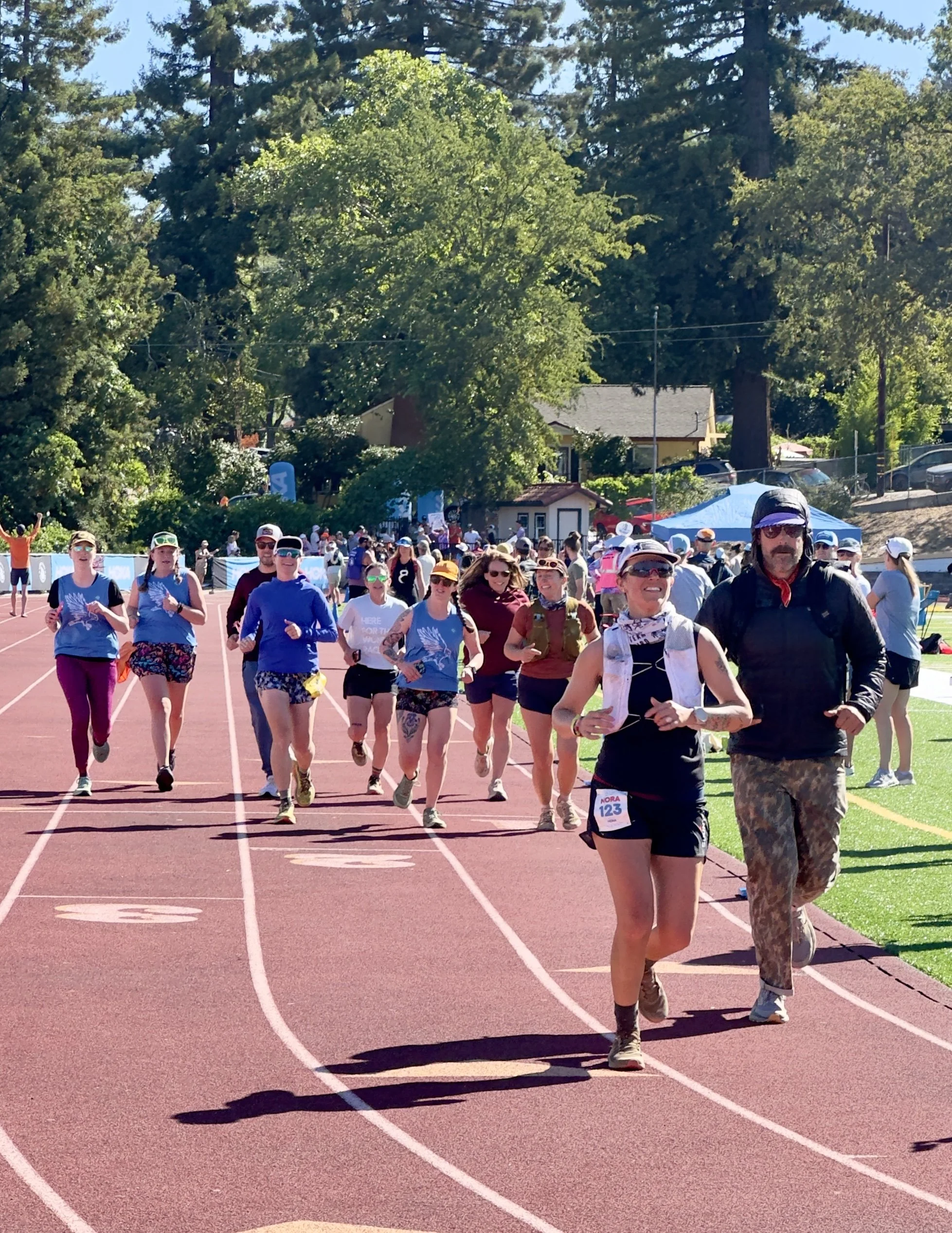
What stayed with me was not the finish. It was realizing that everyone out there, every crew, every spectator, every volunteer handing out broth at two in the morning, was standing somewhere on the same timeline. Hoping their runner would finish. Hoping they would hit their pace, keep food down, stay warm, make the track before the clock ran out. Hoping to watch a parent or a partner or an old friend do the thing they set out to do. I came to California to be useful to one person's hope, and I found that carrying someone else's was the easiest weight I have picked up in a long time. It asks nothing of your ego. It only asks you to show up where you said you would and have the socks ready.
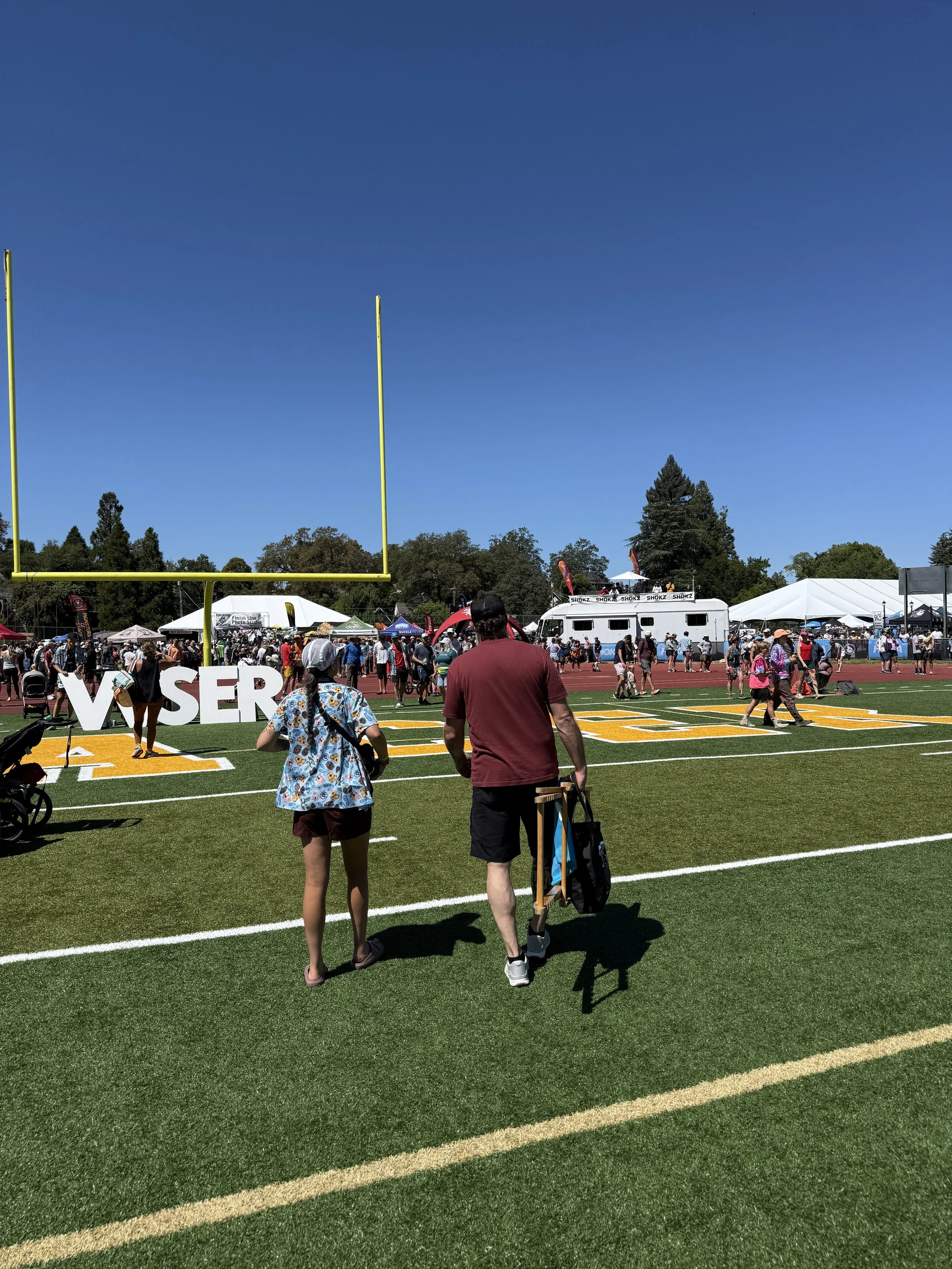
p.s. If you, or someone you know, are in need of an excellent running coach, consider giving Nora’s Team Bird Training a chance.
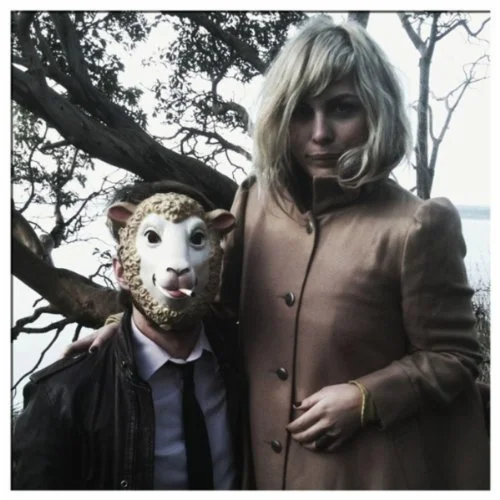
Music this week: The Head and the Heart (self-titled), specifically, "Rivers and Roads." It is about distance and the people you cover it with, and it builds to the kind of release that sounded a lot like that track at the finish. Apple Music|Spotify
more words and images at chrisskogen.com - ideas at almanzo.cc